


Léa
In three weeks, I figured out it was legumes. Three years of looking.




Several thousand users·⭐ 4.8
Meet Koji
Koji connects what you eat, your cycle, and how you feel. Snap your plate — and start seeing what triggers what.

They found their trigger
Léa
In three weeks, I figured out it was legumes. Three years of looking.

Maya
I bloated most before my period. Now I can actually see it.

Chloé
The morning reminder takes ten seconds. It’s the first journal I’ve actually stuck with.
The gap
Koji crosses both. In three weeks, you’ll know what triggers what.
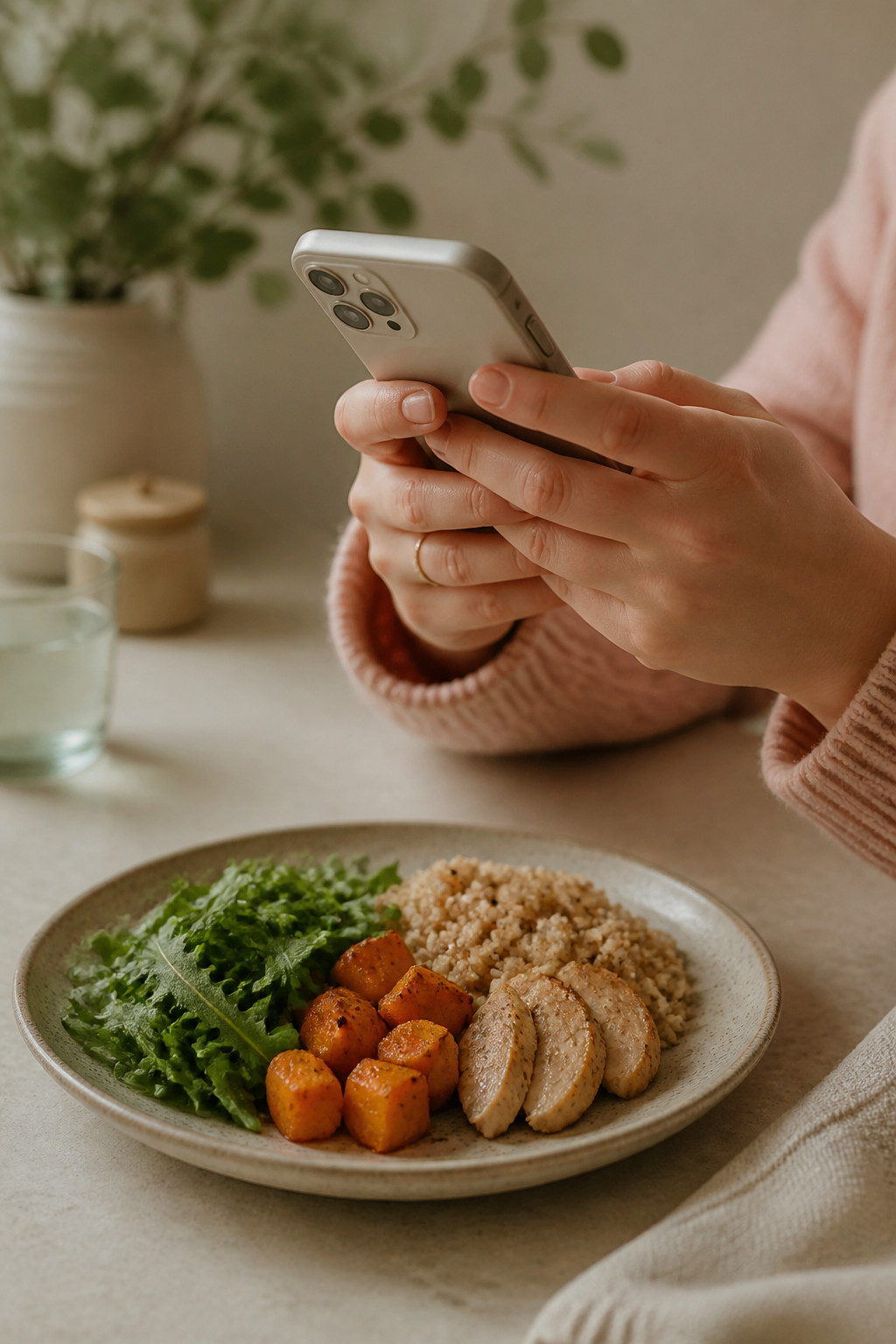
Snap your plate
Photograph your plate. Koji recognizes the dish, suggests tags — gluten, dairy, legumes — and you correct with a tap. Then you say how your belly felt.

Three journals
In the morning, how you feel. After a meal, what you ate. Transit, when it happens. Checkboxes — not a notebook you drop after three days.

Cycle + gut
In the luteal phase, progesterone slows your transit. Bloating, constipation, sensitivity: that isn’t random. Koji lays your symptoms over your phases.
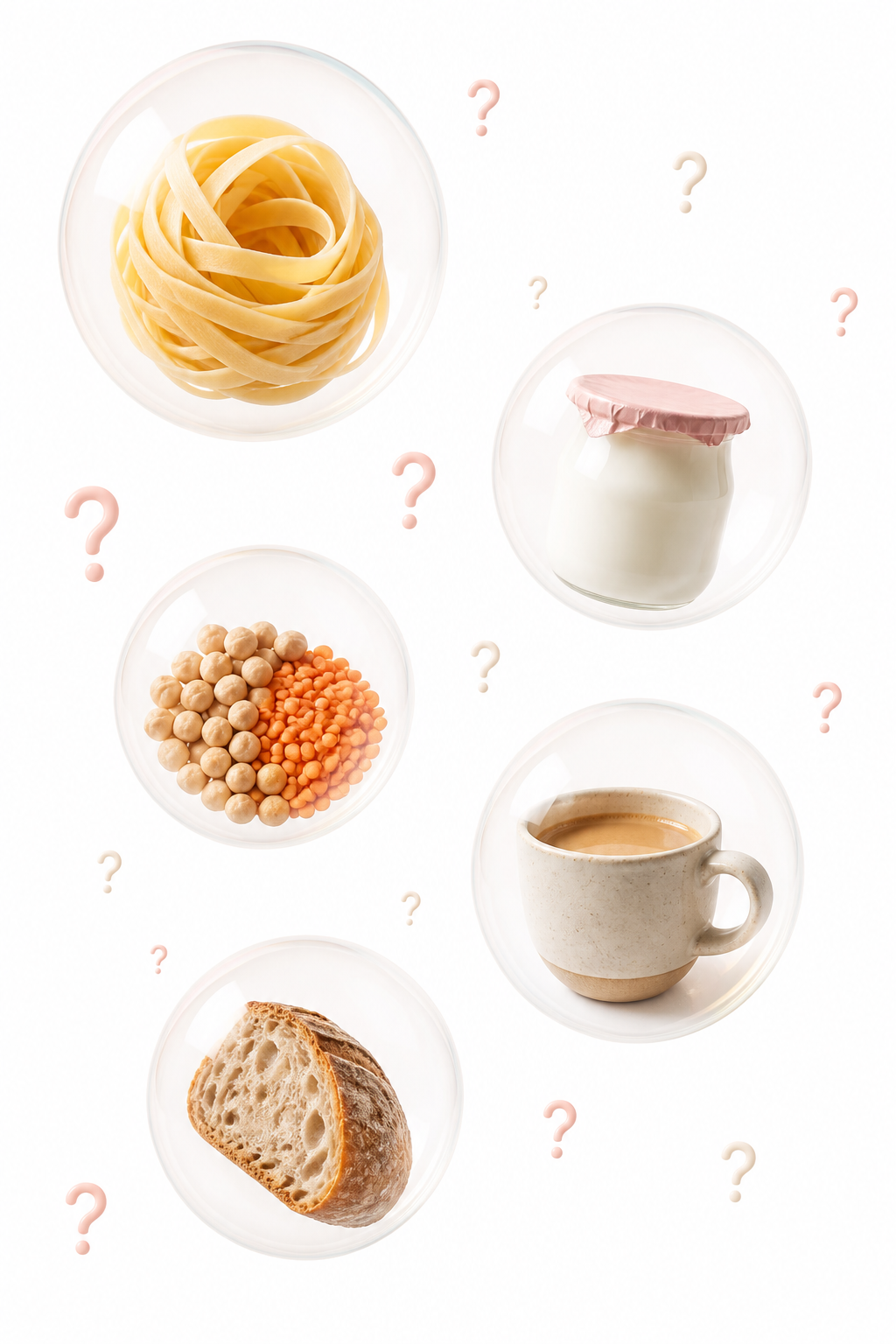
Insights
Koji crosses the food, the delay, and your phase. You finally see why you bloat after some meals — and not others.
All in one app
Not a diagnosis. A method for reading your body.
Plate photo
You snap, Koji suggests the tags. You correct if needed.
Morning journal
Belly at wake-up, energy, mood, sleep — in a few taps.
Meal & feeling
What you ate, and how your belly responded.
Transit
Bristol type, comfort, in twenty seconds.
Cycle
Your phases, overlaid on your journals — only if you want.
Insights
Triggers, correlations, a file for your doctor.
How it works
01
Your plate, or you pick the tags yourself. Twenty seconds.
02
Morning, after a meal, at transit. Boxes, not a novel.
03
Food, delay, phase. First patterns show up around three weeks.
Questions
No. Koji is a personal journal. It doesn’t diagnose, doesn’t prescribe, and doesn’t replace medical advice.
Privacy
Your journals, plate photos, and cycle data are only used to give you insights in the app. They are never used to train an AI, sold, or shared for advertising. Edited from Paris.